Importing to Costa Rica without delays: 12 keys to avoiding errors, extra costs, and customs problems
Importing to Costa Rica can open growth opportunities, improve product assortment, and give a company access to better suppliers. However, it can also become a chain of delays, unexpected costs, and poor decisions when the process starts without preparation. In practice, many import problems do not begin at customs. They begin much earlier: with an incomplete quote, a poorly chosen Incoterm, documents that do not match each other, or a lack of coordination between the supplier, transportation, and the customs agent.
That is why a successful import does not depend only on the cargo arriving at the port or airport. It depends on the operation being well planned from beginning to end. When a company correctly defines its product, understands its documentation obligations, calculates its total costs, and coordinates transportation and customs from origin, the margin of error drops significantly.
At Care Shipping, we see this pattern all the time. The companies that import best are not necessarily the largest ones, but those that understand logistics as a sequence. If one piece fails, the rest of the operation suffers. That is why it is advisable to rely on a logistics company in Costa Rica that connects the shipment, documentation, and tracking with clarity.
Below you will find 12 practical keys to importing to Costa Rica with more control, less friction, and better decisions.
1. Define the product with a complete technical sheet
The first prevention against logistics errors is not transportation. It is information. Before requesting a quote or booking a shipment, it is advisable to have a clear technical sheet for the product: commercial name, composition, use, quantity, weight, dimensions, country of origin, unit value, type of packaging, and whether it requires permits or technical notes.
When that information arrives incomplete, tariff classification errors, documentation doubts, or quotes that do not reflect reality begin to appear. Cargo with incorrectly calculated volumetric weight, for example, can change the cost of air transportation. A product with an ambiguous description can generate additional inspections or customs inquiries.
The technical sheet also helps everyone speak the same language: purchasing, supplier, carrier, customs agency, and warehouse. The clearer the base, the smoother the rest of the process will be.
2. Review the tariff classification before purchasing
One of the most expensive mistakes when importing to Costa Rica is leaving the tariff classification until the end. The tariff code is not an administrative detail. It defines taxes, regulations, permits, and, in many cases, the level of complexity of the procedure.
If a company purchases first and reviews later, it may face a different reality than expected: unforeseen technical notes, additional costs, sector-specific requirements, or even observations that delay the release of the goods. That is why it is good practice to validate this part before shipment, together with a customs management service in Costa Rica.
In addition, it is advisable to rely on official sources. The TICA system allows DUA consultations and other validations, while the Customs Procedures Manual of the Ministry of Finance helps understand the operational framework. The goal is not to replace professional advice, but to work with more context and less improvisation.
3. Choose the Incoterm according to your ability to control the operation, not just by habit
Many companies accept the Incoterm proposed by the supplier without asking whether it really suits them. That small detail can change the distribution of costs, risks, and responsibilities between buyer and seller.
A suitable Incoterm should respond to the company’s reality: whether it has importing experience, whether it wants to control the freight, whether it needs visibility from origin, whether it wants the supplier to assume part of the route, or whether it prefers to manage the process with its own logistics partner. The ICC, creator of the Incoterms® rules, maintains the official reference for these terms and should be consulted when there are doubts.
Choosing the Incoterm correctly helps avoid misunderstandings about who pays for what, who hires the insurance, and at what point the risk is transferred. Choosing it poorly, on the other hand, often generates disputes, unexpected costs, and reactive decisions.
4. Prepare commercial documentation without contradictions
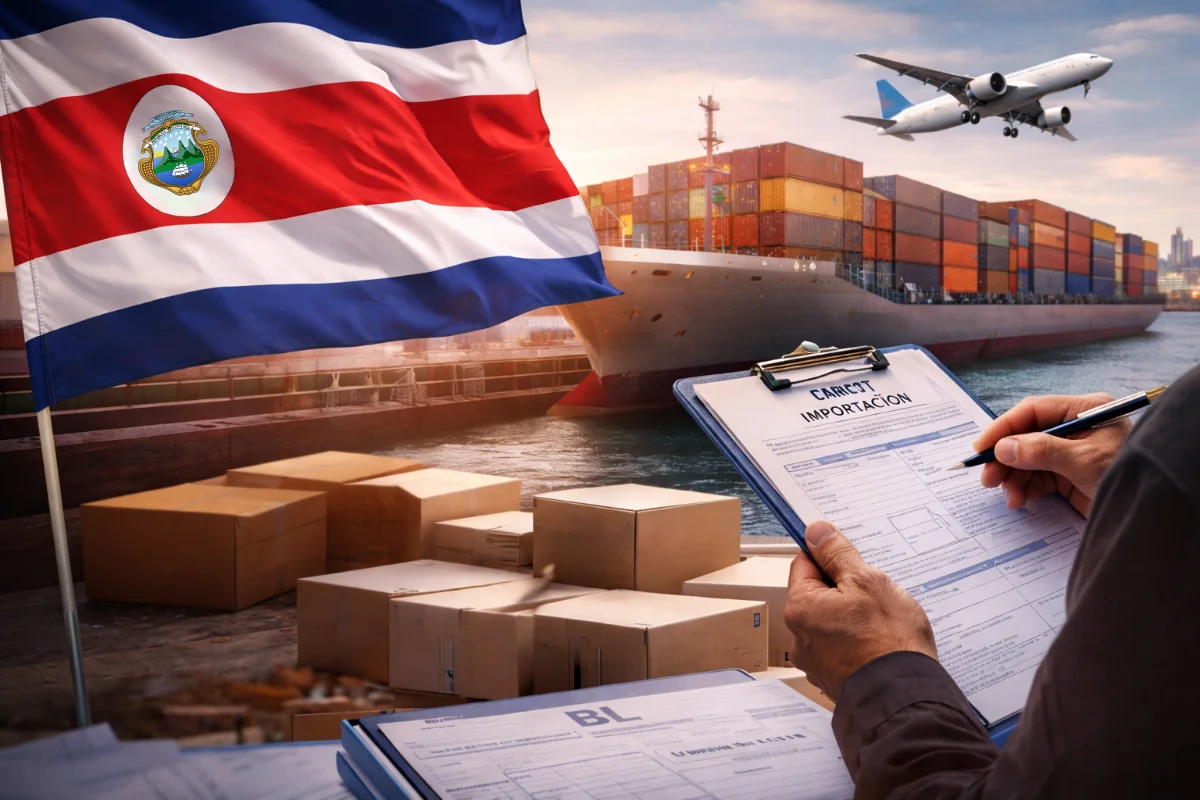
An import can be delayed by a minimal difference between documents. A different description between the invoice and packing list, an inconsistent value, a mistyped reference, or a missing document can require corrections, explanations, or waiting.
As a practical rule, check that the following match:
- product names and descriptions
- quantities, weights, and units
- values and currency used
- exporter and importer information
- sales and transportation conditions
It is also advisable to review certificates of origin, special permits, or complementary documentation in advance if the type of product requires it. Documentation should travel aligned with the operation, not be corrected along the way.
5. Coordinate transportation and customs from origin
A common mistake is thinking that freight is solved first and customs is reviewed later. In reality, both should be coordinated before shipment. The information used to quote transportation is often the same information that influences the customs process: product, value, weight, packaging, Incoterm, origin, and destination.
When transportation is quoted without customs context, costs or requirements may be left out. And when customs receives incomplete shipment information, doubts, adjustments, and delays increase. That is why working the process as a single route, and not as isolated departments, makes a major difference.
If the operation needs support with routes, transit times, or defining the right mode, it is worth reviewing the international transportation service in Costa Rica, especially when the cargo arrives by sea, air, or with land connections.
6. Calculate the total cost, not just the product value
One of the most dangerous mistakes in importing is believing that the real cost of the goods ends with the price negotiated with the supplier. To make healthy decisions, the company needs to see the total landed cost.
That analysis should consider, depending on the case:
- value of the goods
- international freight
- insurance
- taxes
- customs expenses
- local movements
- potential warehousing costs
- banking or documentary costs
When this view does not exist, the business margin becomes distorted. The company believes it bought cheaply, but later discovers that logistics absorbed a large part of the benefit. A good logistics process does not only move cargo. It also helps the client understand how the cost is built.
7. Define realistic timelines and contingency margins
Importing to Costa Rica is not just about adding transit days. Between the supplier’s departure and the final availability of the goods, space booking, consolidation, transshipments, document review, customs, release, and local delivery may all be involved.
That is why promising internal dates without contingency margin is a recipe for stress. It is always advisable to plan with a buffer, especially during high seasons, shared shipments, or goods subject to inspection. A mature company does not schedule its operation as if everything were going to be perfect. It designs scenarios and makes decisions with prudence.
This does not mean inflating timelines. It means recognizing that real logistics has variables and that a commercial promise must be supported by a viable operation.
8. Do not leave insurance until the end
Some companies only think about insuring cargo when the shipment value is already very high or when they have suffered a previous loss. But the smart approach is to evaluate the risk before, not after. During transit, damage, improper handling, humidity, theft, or partial or total loss may occur.
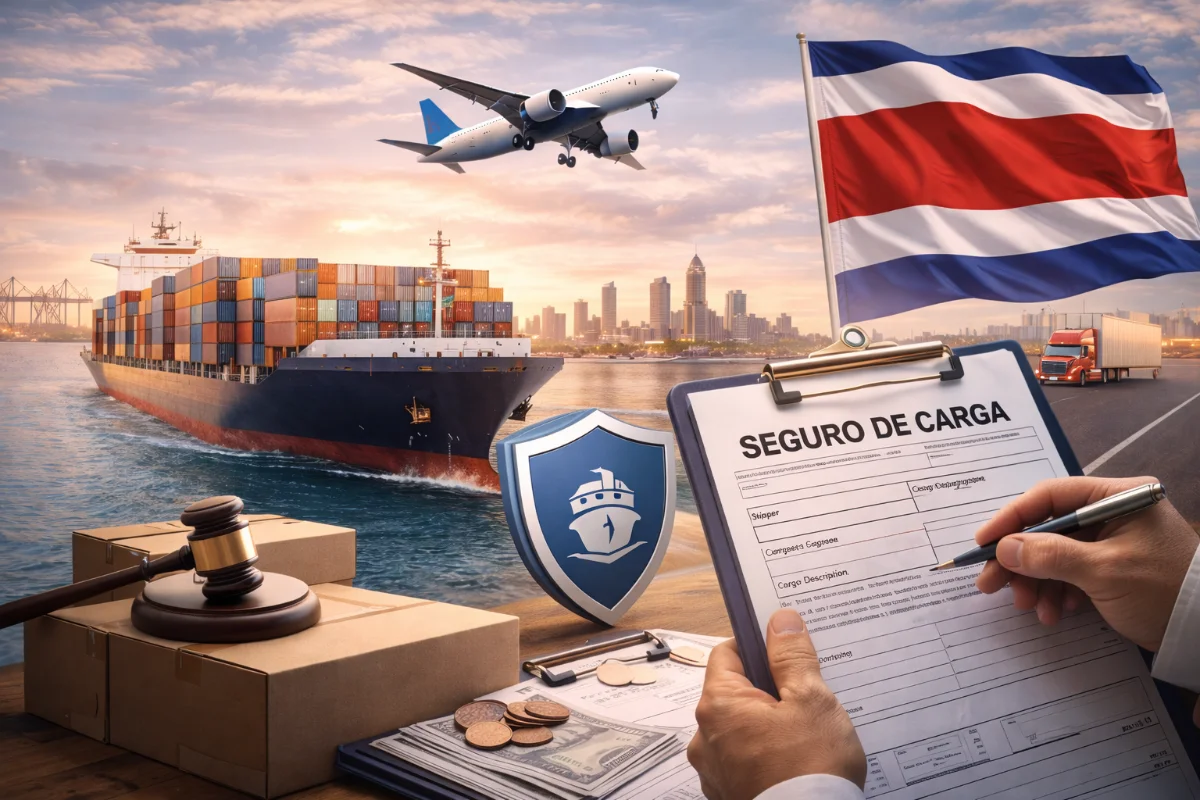
That is why it is advisable to review cargo insurance solutions in Costa Rica in advance and understand when coverage is assumed by the seller through the Incoterm and when it is the buyer’s responsibility to reinforce protection. The goal is not to complicate the operation, but to protect the investment and operate with greater peace of mind.
9. Have a strategy to receive, inspect, and register the goods
The import does not end when the cargo is released. It ends when the company can receive it, inspect it, correctly enter it into inventory, and activate its next step: sale, distribution, installation, or internal consumption.
If the company does not have that plan, the cargo arrives and the operation still stops. That is why it is important to define in advance who receives it, what is inspected, how differences are documented, who updates inventory, and how incidents are reported to the supplier or insurance if something does not match.
In other words, the success of the shipment also depends on the landing at destination.
10. Maintain traceability and communication throughout the process
A frequent problem is not only the delay, but the lack of information. When the company does not know where the cargo is, which document is missing, or what step comes next, anxiety rises and decision-making capacity drops.
Traceability does not need to be complicated. It needs to be constant. It is advisable to work with clear milestones: order confirmation, departure from origin, transit, arrival, customs process, release, and delivery. Each of those points should have a person responsible and a communication channel.
It also helps to have a Costa Rica logistics glossary on hand so the internal team understands terms such as DUA, BL, FCL, LCL, or Incoterms without relying on improvised interpretations.
11. Record incidents and turn them into improvements
The best imports are not the ones that never have problems. They are the ones that learn quickly from them. Every delay, every document adjustment, or every unexpected cost should leave an operational lesson.
Some useful questions after each shipment are:
- what went well and what did not
- what information was missing at the beginning
- what cost was not anticipated
- which document created friction
- what can be standardized for next time
This habit reduces repeated errors and strengthens the team’s internal judgment. Over time, the company does not only import. It imports better.
12. Work with a partner that connects the entire process
When a company distributes its operation among several actors who do not share context, gaps multiply. The supplier assumes one thing, the carrier another, customs another, and the final client is left in the middle trying to connect the pieces.
That is why one of the greatest accelerators of efficiency is working with a partner that connects the process from end to end. Not only to process, but to explain, anticipate, and coordinate. At Care Shipping, that approach begins from the main website of Care Shipping and extends to the support provided in each service.
When the company needs a clear route for its next shipment, the best step is to go to Contact Us and ground the operation with real data, not assumptions.
Practical checklist before approving an import
Before giving the green light to the shipment, confirm these points:
- I have a complete technical sheet for the product
- I validated the tariff classification
- I reviewed whether there are technical notes or permits
- the Incoterm is clear and convenient for me
- the commercial documentation matches
- I know the estimated total cost
- I defined timelines with contingency margin
- I evaluated cargo insurance
- I have already coordinated transportation and customs
- I have a reception and inspection plan at destination
Official resources worth consulting
If your company wants to complement the operation with official information, these sources can help validate processes and concepts:
- PROCOMER Exporter Guide, useful for reviewing foreign trade steps and resources.
- PROCOMER Exporter Route, a platform with tools and support for Costa Rican companies.
- DUA consultation in the TICA system, to review official customs information.
- Customs Procedures Manual of the Ministry of Finance, a useful reference for understanding the structure and concepts of the process.
- COMEX import statistics, to follow foreign trade trends in Costa Rica.
Frequently asked questions about importing to Costa Rica
1. What is the most common mistake when importing?
Usually, starting without enough information. Many companies buy first and review requirements later. That triggers corrections, delays, and extra costs.
2. Do I always need cargo insurance?
It will not always be mandatory because of the negotiation, but it is almost always worth evaluating. When the cargo is valuable, sensitive, or critical to the operation, coverage stops being optional in practical terms.
3. Which document should never be missing?
The answer depends on the product and the regime, but documentary consistency between invoice, packing list, transportation, and declaration is essential.
4. Which matters more: the supplier’s price or the total cost?
The total cost. An apparently cheap purchase can become expensive if freight, customs, warehousing, or corrections increase the final cost.
5. How do I know which service I need first?
If you are starting, the best approach is to begin with a general review of the operation. From there, it is defined whether the critical point is transportation, customs, insurance, or a combination of all three.
Conclusion
Importing to Costa Rica with good results does not depend on luck. It depends on working with clear information, consistent decisions, and well-coordinated logistics. When the company validates its product, understands the Incoterm, prepares correct documents, calculates real costs, and aligns transportation, customs, and coverage, the import stops being a black box and becomes a manageable process.
That is the difference between reacting to problems and preventing them. And in international trade, prevention almost always costs less.